
12.10.2026 1 dk okuma Elite Kantar
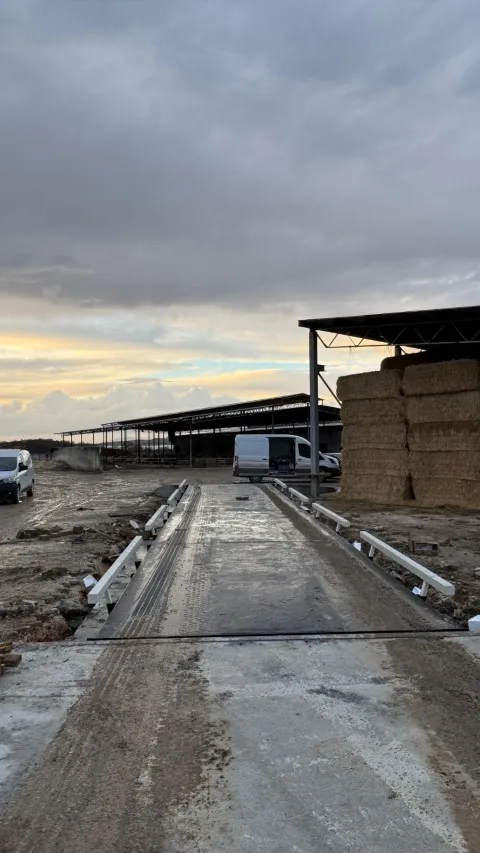
When choosing a weighbridge, one of the most frequently asked questions is the installation type. Both deliver accurate weighing for years when installed correctly; the difference becomes clear in the site's conditions and daily use.
Above-Ground Weighbridge
- Advantages: Requires no excavation, installation is quick, cleaning and maintenance under the platform are easy, and it can be relocated if needed.
- Points to consider: Ramps are needed at both ends, so sufficient space is required; ramp gradient and vehicle maneuvering area should be carefully planned.
Pit-Type (In-Ground) Weighbridge
- Advantages: The platform sits level with the ground and no ramps are needed; it is advantageous in narrow areas and where vehicles pass from every direction.
- Points to consider: Excavation and concrete work are more extensive; rainwater drainage must be planned in advance, and the area under the platform should be cleaned periodically.
Which One for Which Site?
Above-ground installation is generally better for large, flat sites where quick commissioning is desired. Pit-type is usually more suitable for urban, narrow and busy sites with intensive maneuvering. In areas with high groundwater or flood risk, above-ground installation carries less risk.
We recommend an on-site survey before making the final decision; when soil, drainage and traffic flow are evaluated together, the right choice becomes clear.
E
AuthorElite KantarElite Kantar · Elite Kantar Servis
 How Often Should a Weighing Scale Be Calibrated?30.10.2026
 6 Signs of Load Cell Failure in a Truck Scale24.10.2026
 How to Prepare for a Periodic Scale Inspection?18.10.2026