

Capacity and platform length are two fundamental measures that determine both the price of a scale and its durability over the years. A scale chosen too small will be overstressed, while a scale chosen too large may lose sensitivity in light weighings due to its division.
Capacity
Determine the weight of the heaviest loaded vehicle you will weigh and add a safe margin. In facilities that mainly handle trucks and tractor-trailer combinations, 60 and 80 tons are the most preferred capacities. In sectors with a risk of overloading (mining, scrap, earthworks), considering one size up is a sensible choice.
Division relationship
As capacity increases, the division (the smallest reading step) may also increase. If you weigh in small batches, this affects sensitivity, so be sure to state your requirements during the site survey.
Platform length
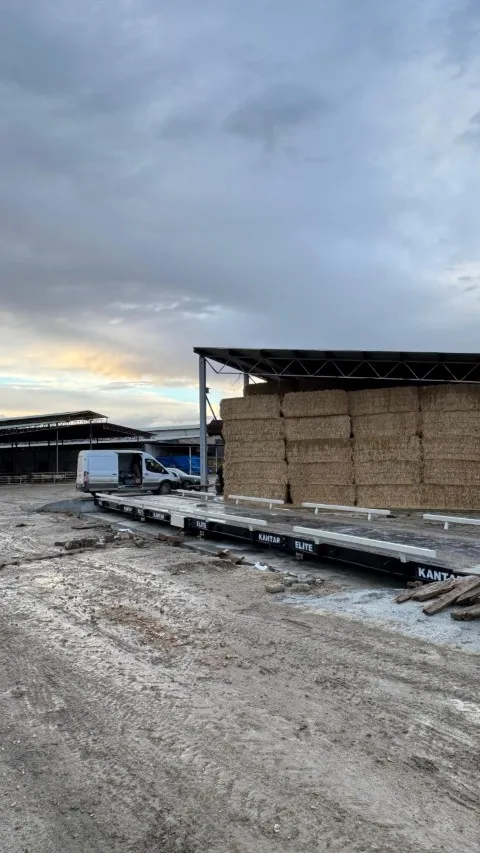
The entire vehicle must be on the platform at the same time. For trucks, 16–18 meters is a common choice; longer trailers or double trailers require longer platforms. Axle-by-axle weighing is prone to errors due to driving and braking effects.
Future planning
If your vehicle fleet will grow or you will carry heavier loads in the coming years, choose capacity and length based on future needs rather than today's. Enlarging an installed scale is always more costly than choosing correctly from the start.
 How Often Should a Weighing Scale Be Calibrated?30.10.2026
 6 Signs of Load Cell Failure in a Truck Scale24.10.2026
 How to Prepare for a Periodic Scale Inspection?18.10.2026