
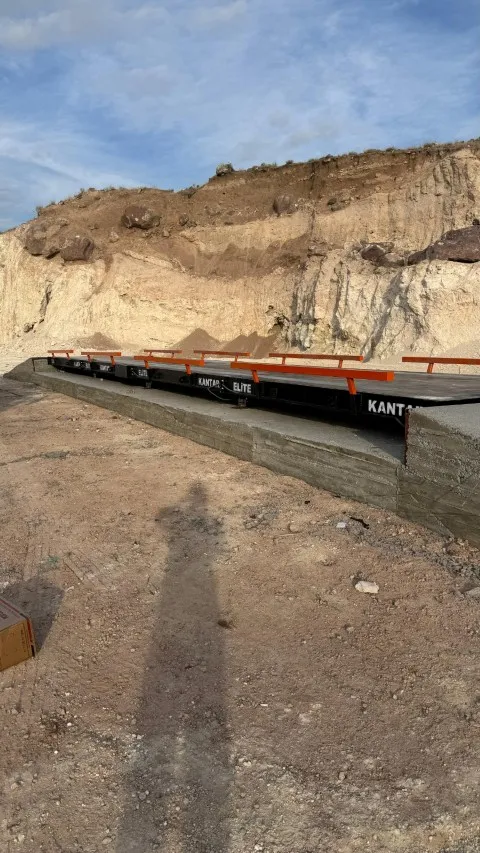
In many businesses, weighing is done at the weighbridge, while the waybill is rewritten in a separate office program. This double entry leads to lost time, wrong plate numbers, wrong quantities, and delayed shipments.
How does integrated operation work?
When a vehicle is weighed, the net weight, plate number, driver, product, and recipient details are collected in a single record. The weighbridge program creates the e-Waybill directly from this record and sends it to your integrator. The waybill is issued before the vehicle leaves the weighbridge.
Benefits
- Speed: Minutes are saved on every shipment, and queues at the weighbridge are reduced.
- Accuracy: Because weights are not written by hand, quantity errors are eliminated.
- Tracking: You can see on one screen which vehicle left, when, and with how much load.
- Archive: Weighing slips, camera footage, and waybills are stored linked to each other.
What to consider during setup
Preparing product cards, customer account details, and integrator settings before installation speeds up the transition. A short training session for staff and close support during the first few days are important for adapting to the new workflow.
 How Often Should a Weighing Scale Be Calibrated?30.10.2026
 6 Signs of Load Cell Failure in a Truck Scale24.10.2026
 How to Prepare for a Periodic Scale Inspection?18.10.2026